The 5th International Polar Year (IPY-5) 2032-2033 has been planned since 2023 with ramp-up, implementation and legacy stages – “striving for holistic, systemic, transdisciplinary research approaches” to foster the “widest possible international collaboration to produce knowledge for action with direct societal relevance”. These are important, perhaps even sufficient goals for humanity, but are hollow without an inclusive process of decisionmaking and engagement.
Global inclusion with the IPY-5 starts in the polar regions. In this sense, the Arctic is a profound test of “holistic, systemic, transdisciplinary” capacities with IPY-5, recognizing Pan-Arctic research among academic institutions has largely been absent since the 2022 Russian invasion of Ukraine. One path to stimulate Pan-Arctic inclusion is with science diplomacy and the International Science in the Russian Arctic (ISIRA) initiative through the International Arctic Science Committee (IASC), building on the recent FORAS dialogue (Figure 1).
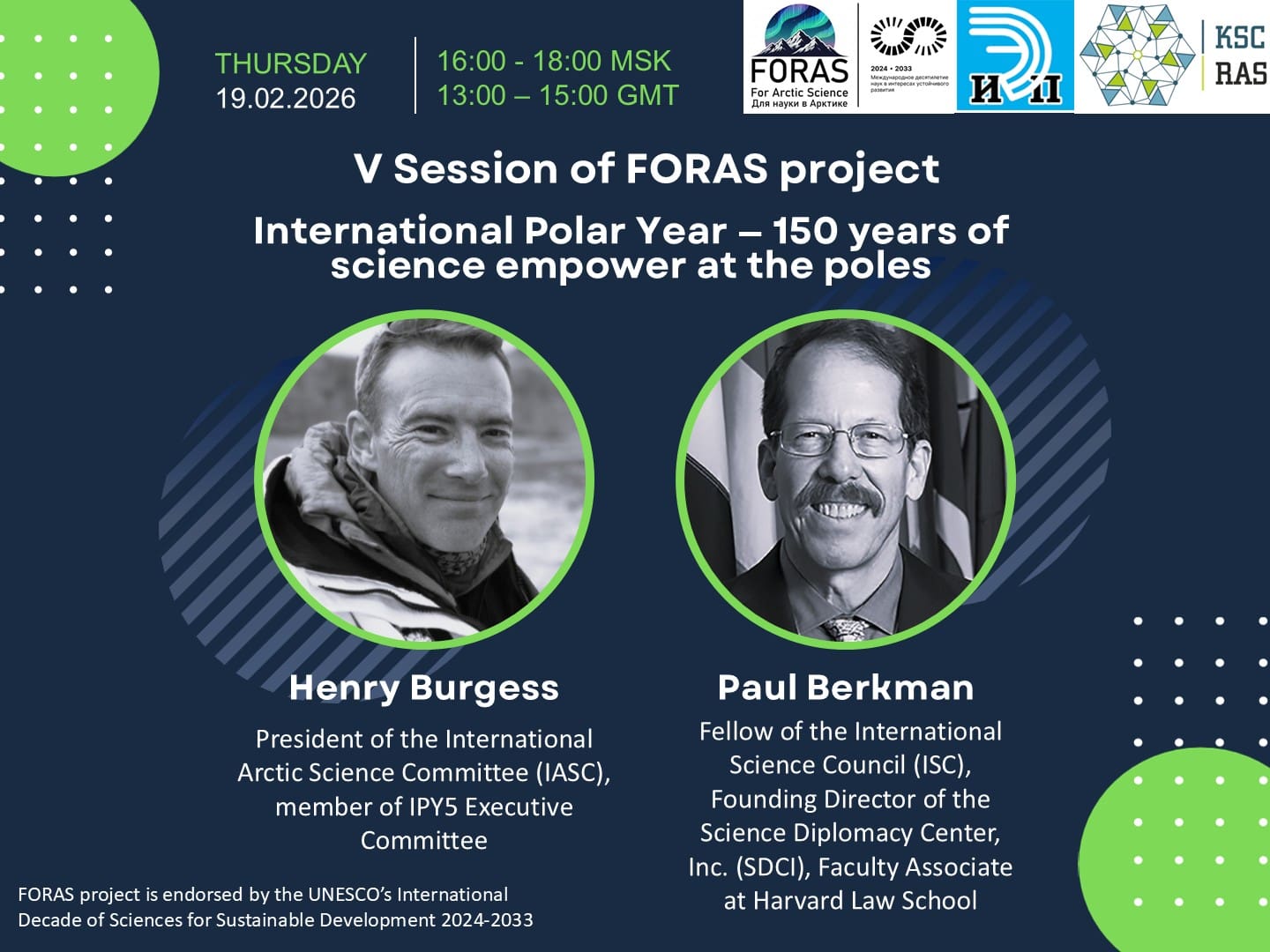
Figure 1: From the Arctic for the Arctic: Science diplomacy for sustainable future of the region and its people (FORAS) dialogue online on 19 February 2026 as part of the International Decade of Science for Sustainable Development 2024-2033.
Questions about IPY-5 with global inclusion were introduced in a 2025 invited editorial in Advances in Polar Science, noting the “holistic, systemic, transdisciplinary research” currently is limited to a subset of the cryosphere.
- High-mountain regions of the cryosphere that provide water to half of the human population are excluded from IPY-5, which is focusing on the Arctic and Antarctic only;
- Human populations are influenced globally in all marine coastal areas in view of sea-level rise, requiring global measurements, but with IPY-5 the Global North is once again excluding the Global South; and
- IPY-5 planning is inconsistent if not competing with the Decade of Action for Cryospheric Sciences 2025-2034 rather than becoming an apex achievement with synergies to mature for all involved.
Moreover, the IPY-5 foundation “From IPY-4 to IPY-5” currently is minimizing:
- Earth System Science lessons from the International Geophysical Year (IGY) 1957-1958, which was renamed from the 3rd International Polar Year (IPY-3); and
- “Forever” lessons that enabled the United States and Soviet Union to sign the 1959 Antarctic Treaty at the height of the Cold War as the first nuclear arms agreement “with the interests of science and the progress of all mankind”.
How can IPY-5 facilitate Open Science to deliver the “widest possible international collaboration to produce knowledge for action with direct societal relevance”?
Part of the answer is to amplify inclusive dialogues like the Third Biennial Polar Symposium From Arctic to Antarctic (Enabling the Legacy: Translating Polar Research into Action). This recent transdisciplinary meeting was hosted by the Prince Albert II of Monaco Foundation (PA2F) at the Musée océanographique de Monaco during 25-27 February 2026 (Figure 2) with diverse international experts and the four IPY-5 co-sponsoring organizations: IASC, Scientific Committee on Antarctic Research (SCAR), International Science Council (ISC), World Meteorological Organization (WMO).
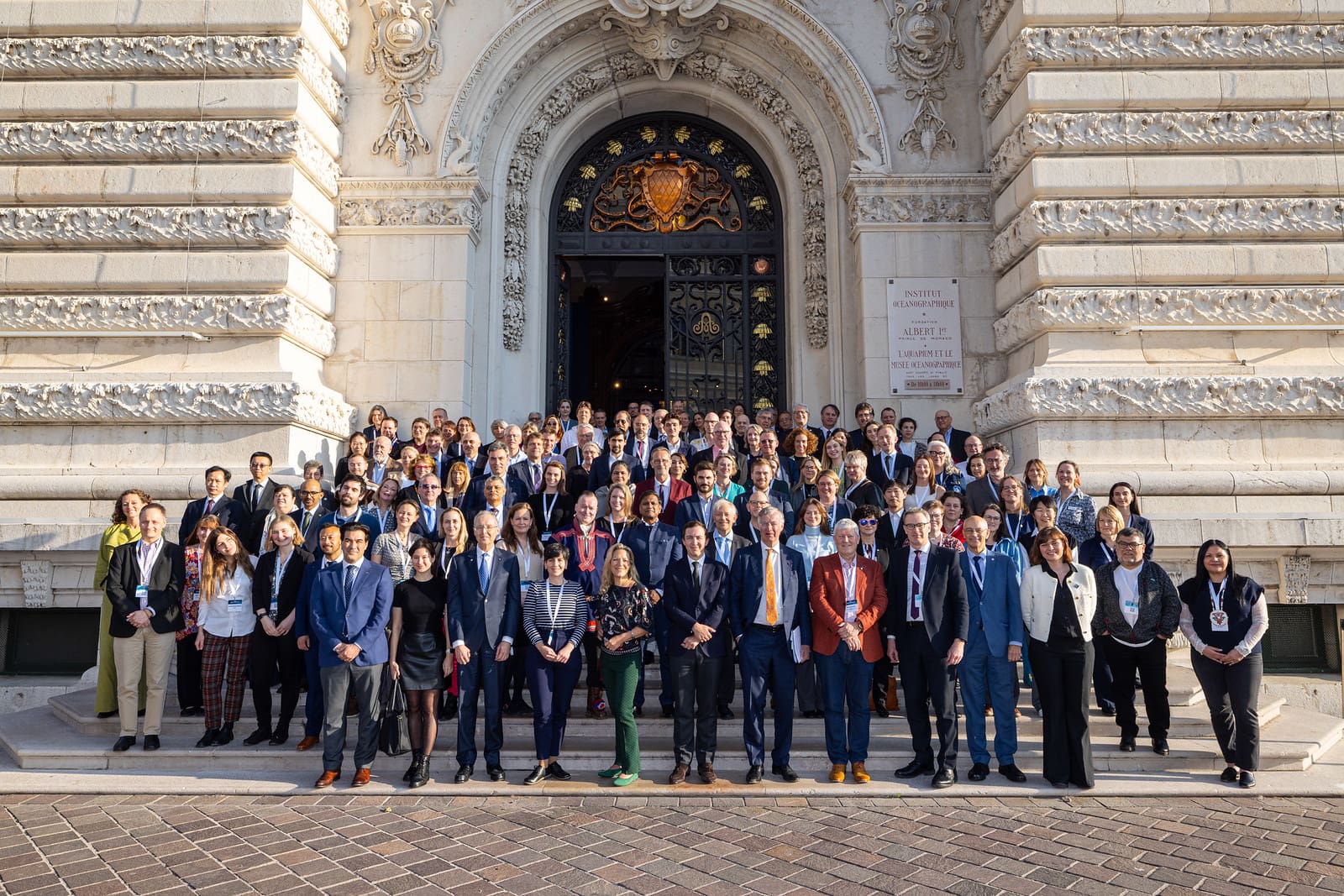
Figure 2: Third Biennial Polar Symposium From Arctic to Antarctic (Enabling the Legacy: Translating Polar Research into Action) in Monaco 25-27 February 2026.
Branding the International Polar Year (IPY) experiment in view of IASC, SCAR, ISC and WMO is happening, but progress will be fruitful only if the decisionmaking is true to the vision of “holistic, systemic, transdisciplinary” research and education, supporting knowledge discoveries and encouraging innovations that accelerate science with society.
While the lion’s share of the funding likely will go to large natural science campaigns – IPY-5 outcomes will be undermined without balanced and well-integrated approaches across the natural sciences, social sciences and Indigenous knowledge.
Fortunately, such integration and balance is easily possible if IPY-5 elevates science diplomacy, which was an explicit transdisciplinary outcome of the 4th International Polar Year (IPY-4) 2007-2007 with the Antarctic Treaty Summit that generated the first book on Science Diplomacy. IPY-5 applications with science diplomacy can go beyond the shallow framing of “exceptionalism” to account for peaceful dynamics in the polar regions.
Starting with the 1959 Antarctic Treaty, it has been and will be “matters of common interest” on a global scale that will enhance the IPY experiment that began in 1882-1883 to become the “oldest continuous climate research program created by humanity”. Importantly, such continuity with climate research – extending before, through and after the two world wars in the 20th century – is the essence of trust in science.
Responding to the short-sighted and self-interested dynamics of nations today – which are perilously close to creating another period of world war – IPY-5 with science diplomacy can awaken the best instincts of humanity across the 21st century with inclusive capacities, knowledge discoveries and durability for our shared sustainable development on a planetary scale.
